
When a Boundary Survey Is the First Step Before Replacing an Old Fence Line
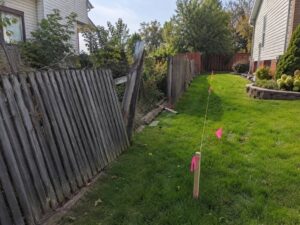
Your old fence is falling apart. The posts lean. The panels sag. Replacing it feels like a simple weekend job. But before you pull that first post, ask one question: is the fence even on your line? A boundary survey answers that. It shows the true edge of your lot before you set a single new post. Rebuild on the old line without checking, and you may put your fence on land that isn’t yours. This article shows why a boundary survey belongs at the very start of a fence replacement.
Why an Existing Fence Does Not Always Represent the True Property Line
Most people treat the old fence as the boundary. It’s been there for years, so it must be right. That assumption is where the trouble starts. Fences get placed for all kinds of reasons, and few of them involve a survey.
A past owner may have set the fence where it was easy, not where the line runs. Some fences follow an old tree row or a ditch. Others were built on a handshake with a neighbor who moved away long ago. None of that makes the fence a legal boundary.
Fences also drift over the years. Posts rot and get reset a little off. Frost heave and heavy rain nudge them. A landscaper regrades the yard, and the line blurs. Add a few decades, and a fence can sit a foot or more from where your deed says it should.
Confirming the real line before you rebuild saves you from copying an old mistake. Match the new fence to the old one, and you might carry an error onto fresh posts. A boundary survey gives you the correct starting point instead.
How a Boundary Survey Identifies the Correct Fence Placement Area
A boundary survey is not a guess with a tape measure. A licensed surveyor pulls the legal records first. That means your deed, the recorded plat and any past surveys tied to your lot. These describe where your lines are supposed to run.
Then the work moves to the ground. The surveyor looks for monuments, which are the metal pins or markers set at your corners. They measure from known points and check what they find against the record. When the paper and the physical evidence line up, the boundary is clear.
Sometimes they don’t line up. A pin is missing. A neighbor’s driveway sits past the plat line. The surveyor weighs the evidence and finds the most defensible position for your boundary. This is skilled judgment backed by law, not opinion.
The result is a clear reference you can build to. You learn exactly where the new fence can sit and how far off the line it should stay. Start fieldwork from that, and the fence goes in right the first time.
Common Property Conditions That Make Fence Replacement More Complicated
Some yards are simple. Others hide surprises that only show up once a surveyor digs in. Older neighborhoods and long-held properties tend to have more of these. Years of small changes add up.
Watch for these conditions:
- An old fence installed before you owned the property, with no record of who placed it
- A fence line that does not match the deed description
- A shared driveway or access strip running close to the fence
- Landscaping, like hedges or garden beds, that crosses over the expected boundary
- Property markers that are missing, buried or knocked out of place
Any one of these can turn a quick fence swap into a slower job. A shared driveway raises access questions. A missing marker means the surveyor has to rebuild the corner from other evidence. Hedges that cross the line can hide an encroachment that has sat there for years.
None of this should scare you off. These are normal findings on established lots. The point is to know about them before the new fence goes up, not after. A survey brings them to the surface while you still have easy choices.
How a Boundary Survey Helps Prevent Neighbor Disagreements During Fence Projects
Fences sit between two owners, so both have a stake in where the new one lands. When the line is fuzzy, that shared interest can turn tense. Your neighbor may believe the boundary is a few feet one way. You may believe it runs the other. Without a clear answer, the fence becomes an argument.
A professional boundary survey settles the question with facts. It gives both owners one line to look at, backed by records and fieldwork. Nobody has to rely on memory or a hunch. That neutral reference takes the emotion out of the conversation.
Bringing your neighbor into the loop early helps too. Show them the survey before construction starts. Talk through where the fence will sit and why. A short conversation up front beats a legal fight later.
Skipping this step gets expensive. A fence built over the line can trigger a demand to move it. Tearing out finished work and resetting posts costs far more than the survey did. Early verification protects your budget and your relationship with the people next door.
What Homeowners Should Prepare Before Scheduling a Boundary Survey for a Fence
A little prep makes the survey faster and often cheaper. The surveyor works better with good information in hand. Gather what you can before you call. It helps them focus the fieldwork on what matters to you.
Pull together these items:
- Your property documents, such as the deed and any recorded plat
- Any previous survey of the lot, even an old one
- Notes on your fence concerns, like a spot where the line feels off
- Your plans for the new fence, including height, style and rough location
Sharing your goals shapes the job. A surveyor who knows you plan to rebuild the back fence can focus on those corners. If you suspect a neighbor’s shed crosses the line, say so. That tip tells them where to look closely.
Ask a few questions when you book. Check whether your area needs a permit for a new fence, since many do. Ask if a homeowners association has fence rules you must follow. A licensed surveyor works from current local records, so your project matches what your area allows.
Handled in this order, the fence replacement stays simple. You confirm the line, plan around what the survey finds and build with confidence. The old fence comes down, and the new one goes up in the right place for good.
For a free land surveying quote, call us at (703) 854-9783 or send us a message by going here.
Posted in land surveying, land surveyor | Tagged boundary survey