
What an ALTA Survey Reveals Before Buying a Commercial Property With Existing Improvements
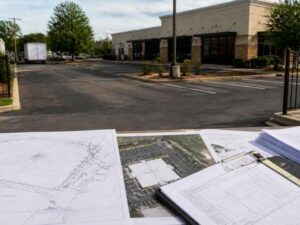
A commercial building can look move-in ready and still hide problems you won’t catch on a walk-through. A survey for commercial property can help buyers identify those issues before the money moves. An ALTA survey lines up the real site against the legal records, so you know what you’re actually buying. For a developer eyeing a property with existing buildings, that early look can keep a good deal from going bad later. The building may be fine. The land under it and around it is where the surprises tend to sit.
An ALTA Survey Shows Whether the Existing Site Matches Its Legal Footprint
A property’s legal description and its real footprint don’t always agree. The deed describes lines on paper. The buildings, pavement, and fences sit on the ground. Over the years, those two can drift apart.
Someone repaves past an old line. A past owner adds a storage building. The recorded plat says one thing, and the site says another. An ALTA survey puts both next to each other. It measures where things really sit, then checks that against the deed, plat, and title record.
This matters most on older sites that have changed hands a few times. Each owner may have added, moved, or replaced something without a fresh survey. Small changes stack up. By the time you’re the buyer, the paper trail and the real site can be years out of sync. When the footprints don’t match, you want to find out now, not after closing. These surveys follow the 2026 ALTA/NSPS standards, so buyers, lenders, and title companies all read them the same way.
Existing Buildings Can Reveal Encroachments That Are Easy to Miss During a Walk-Through
An encroachment is something that crosses a line it shouldn’t. A building corner, a wall, a fence, a driveway, or even a roof overhang can sit over a boundary, an easement, or a setback. On a walk-through, these look fine. On a survey, they show up as hard measurements.
Say the loading dock extends a few feet past the property line. Or the parking lot spills onto the neighbor’s land. Maybe a wall sits inside a utility easement, which can force a costly move later. A monument sign might stand just over the front setback. These aren’t rare on older commercial sites.
Encroachments cut both ways too. Sometimes a neighbor’s structure sits on the parcel you’re buying. That can limit how you use your own land or spark a dispute down the road. A survey flags both directions so nothing catches you off guard. Once you know, you can price the risk, ask the seller to fix it first, or seek an easement or agreement that clears the issue before you own it.
Easements and Access Rights Can Change How the Property Actually Functions
An easement gives someone else the right to use part of your land. The ALTA survey maps the recorded ones and shows where they fall. That matters because an easement can sit right where you planned to build, park, or expand.
Shared driveways are common on commercial sites. So are utility easements that run under parking areas. Some sites depend on an access right across a neighbor’s parcel just to reach the road. If that access is weak or unrecorded, the property may not work the way you expect. Picture buying a retail pad that can only be reached through a driveway you don’t control. That single detail can change the value of the whole deal.
The survey shows how people, cars, and utilities actually move across the site. It marks ingress and egress, the paths trucks use, and where lines cross under the pavement. For a developer, that picture shapes what you can add later. An easement in the wrong spot can block a new building, cut your parking count, or reroute a plan you haven’t drawn yet. Better to see it on the survey than to hit it mid-project.
Site Improvements Can Tell a Different Story Than the Property Records
The records describe the property. The improvements show how it’s really been used. An ALTA survey documents the parking count, curbs, paved areas, signs, visible utilities, and landscaping, then compares them to the recorded conditions.
Sometimes the parking on the ground doesn’t match what the zoning or site plan required. That gap can matter if you plan to change the use or add square footage. A sign may sit outside the parcel it advertises. Drainage may run in a way the plans never showed. Utility markers can point to lines the records don’t mention.
Here’s where a developer should slow down and read closely:
- Parking that falls short of the count your future use needs
- Curb cuts and access points that don’t match the approved site plan
- Signs or lighting that sit off the parcel or inside an easement
- Utilities with no recorded easement to back them up
- Drainage or grading that hints at water problems
None of this proves a deal-breaker on its own. It just points to spots that deserve a closer look before you commit. Each flag is a question you get to ask while you still have leverage.
The Survey Gives Buyers a Clearer Picture Before They Commit to the Property
Think of the ALTA survey as the reference every advisor uses during due diligence. You don’t read it alone. You review it with the title company, the lender, your attorney, and your engineer, because each one reads it for a different reason.
The title company matches the survey to the title exceptions. The lender checks that the collateral is clean. The attorney reviews easements and access that affect value and use. Your engineer looks at grades, utilities, and buildable area. Each set of eyes catches something the others might pass over.
When those reviews line up before closing, you buy with your eyes open. When they don’t, you have room to renegotiate, add conditions, or walk away. That’s the real value here. The survey turns unknowns into facts you can act on while the deal is still open. Order it early in your due diligence window. A survey that lands the week before closing gives you no time to use what it finds. A survey that lands early gives you options, and options are what protect your money.
Frequently Asked Questions
Can a lender reject my loan over what the ALTA survey shows?
Yes, a lender can pause or deny financing if the survey reveals an encroachment, a gap in title, or a missing access right. Lenders want clean collateral they can sell if the loan fails. A serious issue on the survey may need a fix or a title endorsement before they’ll close. Catching it early gives you time to solve it instead of losing the deal.
Which Table A items should a developer request on a commercial purchase?
Table A holds optional add-ons you negotiate onto the survey, so pick the ones that match your plans. Zoning, parking counts, utilities, and flood zone items tend to matter most for redevelopment. Each item adds cost and time, so you don’t order all of them by default. Talk with your surveyor about which ones protect the specific deal in front of you.
What happens if the existing improvements sit inside a recorded easement?
An improvement inside an easement can be forced out if the easement holder needs access. That risk falls on you once you own the property. The survey shows the conflict so you can raise it before closing. You might ask the seller to resolve it, seek a written agreement, or adjust your price to cover the risk.
For a free land surveying quote, call us at (703) 854-9783 or send us a message by going here.
Posted in land surveying, land surveyor | Tagged ALTA survey