
How a Due Diligence Survey Helps Buyers Evaluate Land Before Making an Offer
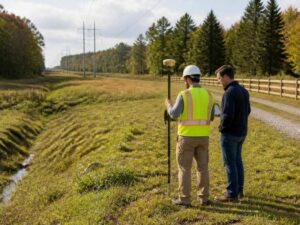
Raw land can fool you. A lot looks flat and open, then a walk with a surveyor turns up a ditch cutting through the middle. A due diligence survey checks the real facts of a property before you buy. For a land buyer, that check belongs before the offer, not after. It shows you what you’re actually buying while you can still change your mind.
What Can a Due Diligence Survey Reveal Before You Buy Land
A due diligence survey shows the real condition of a piece of land before you commit. It looks past the listing photos and the asking price. It puts facts on the table.
Here are the site facts a buyer often learns from one:
- existing improvements like old buildings, driveways, wells or fences
- how you can legally reach the property, meaning the access
- visible features like slopes, low wet ground, water or tree lines
- signs that others use part of the land, such as a worn path or a power line
- conditions that could limit the use you have in mind
Each of these can change how you see the lot. A parcel that looked usable might have a steep back half. A road you assumed you could use might cross someone else’s land. The survey gives you a clearer view before your money is on the line.
How Can Survey Findings Affect a Land Purchase Decision
Survey findings help a buyer judge whether the land fits the plan. You bought the idea of the property. The survey tells you if the ground backs it up.
Say the survey shows less usable space than the listing implied. Or a wet area sits right where you wanted to build. Or the only good access runs through a neighbor’s parcel. Any of these can shift your thinking.
A buyer can act on that. You can lower the offer to match the real value. You can add a condition to the contract. You can ask the seller to fix an issue first. You can also walk away. All of those are easier before you sign.
Checking the land early is what makes those choices possible. Find a problem after closing, and it becomes your problem. Find it before the offer, and it becomes a bargaining point.
How Does a Due Diligence Survey Support Land Development Plans
For a buyer who plans to build, the survey feeds the earliest design work. You need to know the shape and slope of the land before you draw anything. The survey gives your team that starting picture.
It helps answer basic questions. Where could a building sit? Does the lot have room for parking or a driveway? Can the access handle the traffic your project brings? Is there space for the whole plan, or only part of it?
That early read matters most for money reasons. The worst outcome is buying land that can’t hold your project. A survey lowers that risk. It lets you test your plan against the real site before you own the dirt.
What Should Buyers Review With Their Surveyor Before Making an Offer
Before you make an offer, sit down with your surveyor and talk through the site details that matter. Tell them what you want to do with the land. A survey aimed at your actual plan is worth far more than a generic one.
Point them at the things that could stop your project. Access is a big one. So is the amount of usable, buildable ground. Ask about visible features that could get in the way. Ask whether any recorded rights limit how you can use the land.
The goal is a match. Your survey should answer the questions your plan raises. A buyer who wants to build a warehouse needs different answers than one buying land to hold. Say so upfront, and the survey comes back useful instead of vague.
Why Should Buyers Complete Land Due Diligence Before Closing
Finishing survey work before closing gives you time to read the findings and act. Rush it, and you close blind. Do it early, and you get a window to think while the contract terms are still open.
That window has real value. Survey results can support a smarter decision on price, on terms or on whether to buy at all. You get to weigh what you learned instead of reacting to a surprise later.
The benefit reaches past the closing table too. Good survey data becomes the base for how you use the property for years. It guides where you build, how you grade and what you plan next. A careful check before you own the land pays off long after the deal is done.
Frequently Asked Questions
When should a buyer order a due diligence survey?
Order it before you make an offer, or early in the due diligence period. That timing lets the findings shape your price and terms. Wait too long, and you lose the chance to act on what the survey shows.
Is a due diligence survey the same as a boundary survey?
No. A boundary survey mainly shows where your property lines run. A due diligence survey looks wider at the site conditions that affect a buy decision, such as access, improvements and features that limit use.
Can survey findings change the price a buyer offers?
Yes. If the land holds less usable space than expected, or has an access or drainage problem, buyers often lower the offer or add conditions. The findings give you a fair reason to renegotiate.
For a free land surveying quote, call us at (703) 854-9783 or send us a message by going here.
Posted in land surveying, land surveyor | Tagged alta survey