
Combining Adjacent Lots Through Land Surveying in Fairfax, Virginia
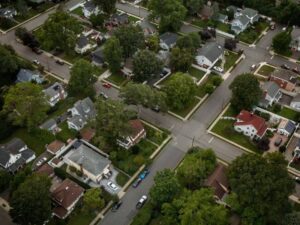
Plenty of owners buy the empty lot next door with a bigger house, a pool, or a detached garage already sketched out. Then they learn the old lot line still runs right through the middle of the plan. Setbacks are measured from that line, so the project stalls before it starts. Combining the lots on paper fixes that, and land surveying is what turns two parcels into one legally described property.
The process takes a current survey, a consolidation plat, local review, and recording. It’s slower than most owners expect. Start early, especially if a builder, lender, or closing date is waiting on the result.
Determining Whether Adjacent Parcels Qualify for Lot Consolidation
Two parcels are good candidates for consolidation when they share a boundary, sit in compatible zoning, and can be held under the same ownership. That’s the starting test. Lots separated by a public street can’t simply be merged across it. A short call with a land surveying firm at this stage can flag problems before you spend money. Before paying for any plat work, gather and check these items:
- Current deeds for both parcels
- The length of the shared boundary line
- The zoning district for each lot
- Any mortgage or deed of trust on either lot
- Utility, drainage, or access easements along the shared line
Easements along the old line don’t disappear when the lots merge. A sewer or storm drain easement stays in place unless it’s formally released by whoever holds it. That can still block the addition you were planning, so find out before you commit.
Reviewing Zoning, Ownership, and Recorded Plat Requirements in Fairfax
Zoning, ownership, and the original subdivision plat all shape what the combined lot can look like. The new parcel may need to meet district rules for things like lot width and setbacks to existing buildings. Requirements vary by zoning district and property type. Confirm them with the county’s zoning and land development offices early.
Title should match on both lots. If one lot is in your name and the other is held with a spouse, a trust, or an LLC, the ownership usually needs to line up before recording. A title company or real estate attorney can confirm what’s needed and prepare any deed to fix it.
Older subdivisions sometimes carry plat notes or private covenants that limit lot line changes. HOA documents can add their own approval step. Pull the recorded plat and covenants before design work begins. These limits are easy to miss and painful to discover late.
How Land Surveying Establishes the Combined Parcel Configuration
A licensed surveyor locates the outer boundary of both lots, removes the shared interior line from the drawing, and writes one new legal description. The work starts with research. Deeds, recorded plats, and neighboring surveys show how each lot was described over time, and those descriptions don’t always agree.
Gaps or overlaps between two adjacent lots turn up more often than owners expect. Field crews find existing corner markers and measure the outer lines, buildings, driveways, fences, and visible easements. Missing markers may need to be reset. The surveyor then compares the ground with the records and resolves differences before drawing the new parcel.
The result is a single outline with a new total area. Existing buildings get measured to the new lines, which matters if a structure once sat close to the old interior line. Removing that line can clear up a setback problem, but only after the plat is approved and recorded.
Preparing Consolidation Plats for Local Review and Recordation
Once the boundary work is done, the surveyor prepares a consolidation plat showing the former lots, the removed interior line, and the new combined parcel. The land surveying behind it has to hold up, because reviewers check every line and number. The plat carries the surveyor’s seal, owner signatures, and any approval signatures the locality requires. Format rules vary by jurisdiction, so the surveyor follows the current local standards. Most consolidation plats show the following:
- Outer boundary bearings and distances
- The old lot line labeled as removed or vacated
- The new total area
- Existing easements and building locations
- Owner consent statements and references to prior deeds and plats
Review takes time and often comes back with comments. Plan for at least one round of revisions on anything beyond a simple pair of lots. If a lender holds a deed of trust on either parcel, it may need to sign or consent, so call them before the plat is final.
Updating Property Records After Adjacent Lots Are Combined
Recording the plat and any related deed makes the consolidation official in the land records. After that, the tax office typically assigns a new parcel number to the combined lot. The update isn’t always instant, so check that the records match within a few months.
A few other records should line up too. Update your homeowner’s insurance with the new legal description, and send your lender a copy of the recorded plat. Keep the land surveying records and the recorded plat with your deed. The next buyer, builder, or permit reviewer will ask for them.
Frequently Asked Questions
Can two adjacent residential lots be combined into one property in Fairfax?
Often yes, if the lots share a boundary and the result meets the zoning rules for the district. The process runs through a consolidation plat that the locality reviews and that gets recorded in the land records. Covenants, easements, or HOA rules can add extra steps. Confirm eligibility with the county and a licensed surveyor before you design around the combined lot.
Is a new land survey required to consolidate adjacent parcels?
Current land surveying work is usually needed, because the consolidation plat has to show accurate boundaries and a new legal description. An older survey of one lot rarely covers both parcels or reflects today’s conditions. The surveyor may be able to reuse existing records and markers, which can save some field time. Ask the reviewing office and your surveyor what they’ll accept before you order work.
Do both lots need to have the same owner before consolidation?
Yes, ownership usually needs to match on both parcels before the plat is recorded. If the names differ, a deed may be needed to move one lot into the same ownership first. Even small differences, such as one lot held in a trust, can cause delays. A title company or real estate attorney can confirm what your situation requires.
What documents are needed to record a consolidated lot in Fairfax?
Most filings include the signed and sealed consolidation plat, the current deeds, and any deed needed to align ownership. Lenders with a deed of trust on either lot may need to sign or consent. The reviewing office may also ask for an application form and fees. Requirements change over time, so check the current county checklist before you submit.
Does combining adjacent lots automatically change property taxes or zoning?
Consolidation doesn’t rezone the land, so the combined lot keeps its existing zoning district. Property taxes may change, because the assessor values the new parcel as one property. A single large lot can be assessed differently than two separate lots, especially if one buildable lot replaces two. Ask the tax assessment office how the change could affect your bill before you file.
For a free land surveying quote, call us at (703) 854-9783 or send us a message by going here.
Posted in land surveying, land surveyor | Tagged land surveying